🌍 African Youth, Protect Your Future!
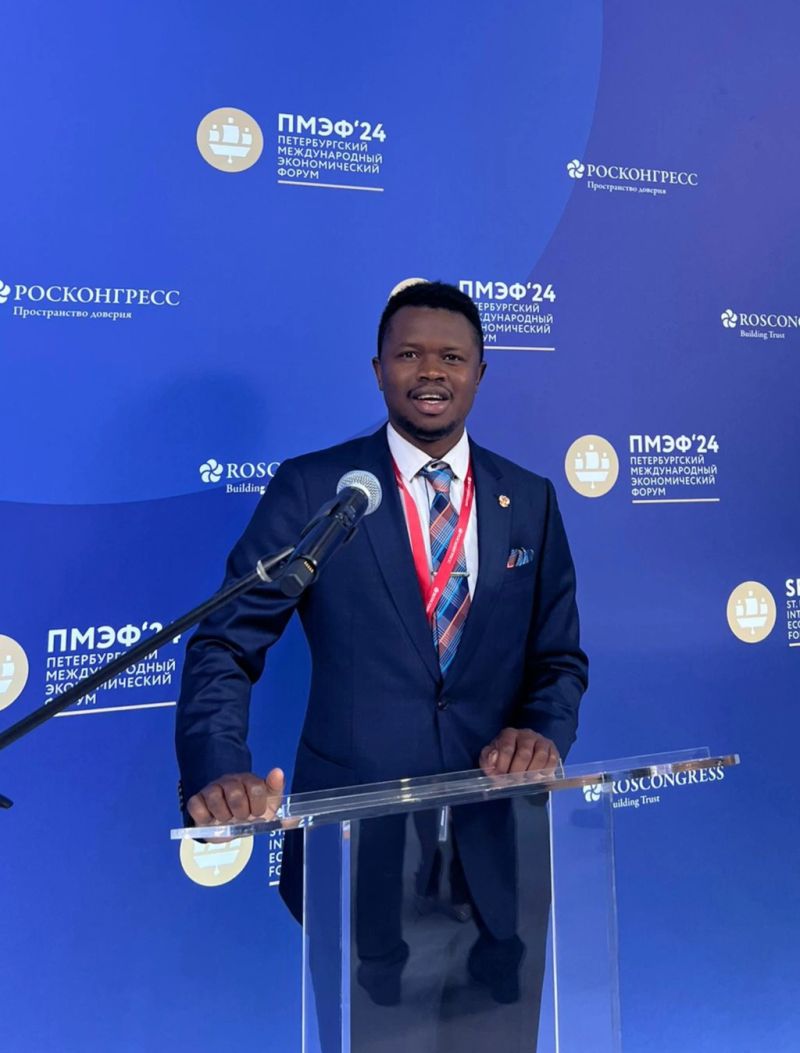
The digital revolution has brought unprecedented opportunities to Africa, but it has also exposed our youth to sophisticated financial crimes that threaten individual futures and our continent's reputation. As an International Ambassador for Financial Security, I speak directly to young Africans about the critical choices they face.
The Rising Threat of Online Scams
Online scams are rising fast across Africa. From Nigeria's Yahoo Boys to Côte d'Ivoire's Brouteurs, young people are being lured into fraud, romance scams, fake investments, and crypto traps. The statistics are alarming—Africa has experienced one of the fastest growth rates globally in internet-based fraud, with losses running into billions of dollars annually.
These activities have evolved far beyond the crude emails of the past. Today's scammers employ sophisticated social engineering, AI tools, and detailed victim research. Some operations function like organized businesses, with hierarchies and specialized roles. When unemployment is high and legitimate opportunities scarce, the temptation of quick income can seem irresistible.
The True Cost of "Easy Money"
These may look like "easy money," but they destroy lives, reputations, and futures. Behind every scam is a real person who loses savings, retirement funds, or money meant for medical treatment or education. Romance scam victims suffer both financial and profound emotional trauma—some have been driven to suicide.
For perpetrators, the consequences are equally severe. Internet fraud carries serious legal penalties—arrest, prosecution, imprisonment—not only in African countries but through international cooperation. Criminal records create lifelong barriers to employment, travel, and education. Beyond individual damage, these activities harm Africa's collective reputation, making it harder for legitimate African businesses to operate internationally and damaging economic prospects for the entire continent.
🚫 Don't Fall For:
Advance-fee scams ("419"): Promising large sums in exchange for upfront fees that victims never recover
Romance & sextortion traps: Exploiting loneliness to extract money or using compromising images for blackmail
Fake crypto & investment schemes: Ponzi schemes disguised as legitimate investments that collapse, leaving victims devastated
Phishing and identity theft: Stealing credentials to drain accounts and ruin credit histories
👉 The Real Path: Education, Skills, and Financial Security
Legitimate, sustainable success comes from genuine skills, education, and ethical business practices. The digital economy offers extraordinary opportunities for African youth who approach it with the right mindset.
The skills that matter are numerous: software development, data science, digital marketing, graphic design, cybersecurity, fintech development, AI and machine learning, e-commerce management. All represent legitimate career paths with growing demand and good earning potential—without legal risks, moral compromises, or reputational damage.
Young entrepreneurs across Africa are building successful businesses: fintech startups serving unbanked populations, agritech improving agricultural productivity, healthtech expanding medical access, e-commerce connecting African products to global markets. They face challenges, but they're building sustainable businesses that create jobs and contribute to African development while generating legitimate wealth.
The International Olympiad on Financial Security
That's why every year we organize the International Olympiad on Financial Security in Russia, bringing together millions of students worldwide to learn how to protect their money and digital future. Rather than teaching exploitation, we teach protection. Rather than normalizing fraud, we celebrate financial literacy, ethical behavior, and genuine expertise.
The Olympiad provides practical knowledge about personal finance, investment, and wealth management. It teaches participants to recognize and avoid scams, making them more resilient in the digital economy. Deeper still, it cultivates financial integrity—participants learn that respect and reward come from contributing positively to financial security, not undermining it.
Winners gain scholarships, internships, and a chance to become true ambassadors of financial security. Top performers receive scholarships to prestigious institutions, internships at leading banks and financial institutions, and join a growing community positioned to influence policy and shape the future of finance in their countries.
Last year, 36 countries participated. This year, we aim to exceed 50 countries, with special focus on expanding African participation.
📢 A Call to Ministers of Education
I call on African Ministers of Education to integrate financial literacy and digital ethics into schools and universities. Financial literacy should be core curriculum at all levels—from basic money concepts in primary school to sophisticated banking and investment topics in secondary school to specialized financial education at university.
Digital ethics education is equally crucial. Students need explicit instruction: What are our moral obligations online? How do we balance digital opportunities with ethical responsibility? What are the real-world consequences of online actions? These questions should be explored systematically, not left to peer influence that may promote problematic behaviors.
Educational institutions should create opportunities to develop legitimate digital skills through coding clubs, entrepreneurship competitions, hackathons, startup incubators, and partnerships with technology companies providing mentorship and employment pathways.
Building Careers, Not Criminal Records
Together, we can stop the cycle of fraud and open the door to careers in fintech, digital finance, and cybersecurity. The same skills some use for fraud—technical proficiency, understanding financial systems, creativity in problem-solving—are precisely those in high demand for legitimate careers.
The fintech sector is exploding across Africa. Companies like M-Pesa, Flutterwave, and Paystack need talented young people who understand both technology and finance. Cybersecurity represents enormous growth potential as African businesses and governments digitize. Ethical hackers, security analysts, and security architects are in short supply globally, particularly in Africa.
The transition from fraud to legitimate careers is possible, but far easier if you never start down the fraud path. Criminal records, incarceration, damaged reputations, and psychological burdens make transitioning much harder. Prevention is far better than rehabilitation.
💪 The Choice Is Yours
Youth of Africa, the choice is yours: scams or skills. Let's build a safer digital Africa!
To young people considering fraud: I understand the pressures you face—unemployment, poverty, peers apparently succeeding through fraud. But consider the successful Africans you admire. How many built success on fraud? Sustainable success comes from creating value, serving others, building genuine skills, and acting with integrity.
Consider your own potential. The intelligence for sophisticated frauds, the technical skills for phishing sites, the psychological understanding for romance fraud—these same capabilities could build legitimate businesses, create innovative solutions, advance important causes, and contribute to African development. Why use talents to harm when you could help?
The path forward requires courage—rejecting easy money, investing in education, persisting through setbacks, trusting that doing right will ultimately prove rewarding. Millions of young Africans demonstrate this courage daily, choosing to study hard, develop skills, and contribute positively despite facing the same economic challenges.
Building the Future Together
Building a safer digital Africa requires collective action: educational reform, economic development creating legitimate opportunities, strengthened law enforcement, changed cultural narratives, and mentorship from successful Africans.
Most fundamentally, it requires young Africans to choose—every day—to pursue skills rather than scams, to build rather than destroy, to contribute rather than extract. These individual choices, multiplied across millions, will determine whether Africa's digital future is characterized by fraud and distrust or innovation and prosperity.
As International Ambassador for Financial Security, I commit to continuing this work. I invite every young African to join this mission—whether through the Olympiad, pursuing education in finance or technology, starting legitimate businesses, or simply committing to ethical online conduct.
The Africa we want—prosperous, respected, technologically advanced—is only possible if we collectively reject fraud and embrace legitimate development. Each young person who chooses skills over scams brings us closer to that vision.
Resources are available. Programs exist. Mentors are ready to help. The International Olympiad is one entry point, but educational platforms, skills training, entrepreneurship incubators, scholarships, and internships create pathways for those willing to seek them.
Youth of Africa, I believe in you—in your intelligence, creativity, resilience, and potential. Given real alternatives and genuine opportunities, the vast majority will choose the right path. Africa's digital future can be bright, secure, and prosperous—but only if we act now.
Let's make fraud unacceptable. Let's celebrate education and skill. Let's create opportunities making legitimate success accessible. Let's mentor and support each other. Let's change the narrative from exploitation to building genuine value.
The future of Africa depends on the choices today's youth make. Choose wisely. Choose integrity. Choose skills. Choose to be part of Africa's solution. Choose the path that lets you sleep peacefully and live freely.
The choice is yours. I pray you choose well.
Protecting Africa's Digital Future: A Call to Action Against Financial Fraud
July 31, 2025
Gallery & Media