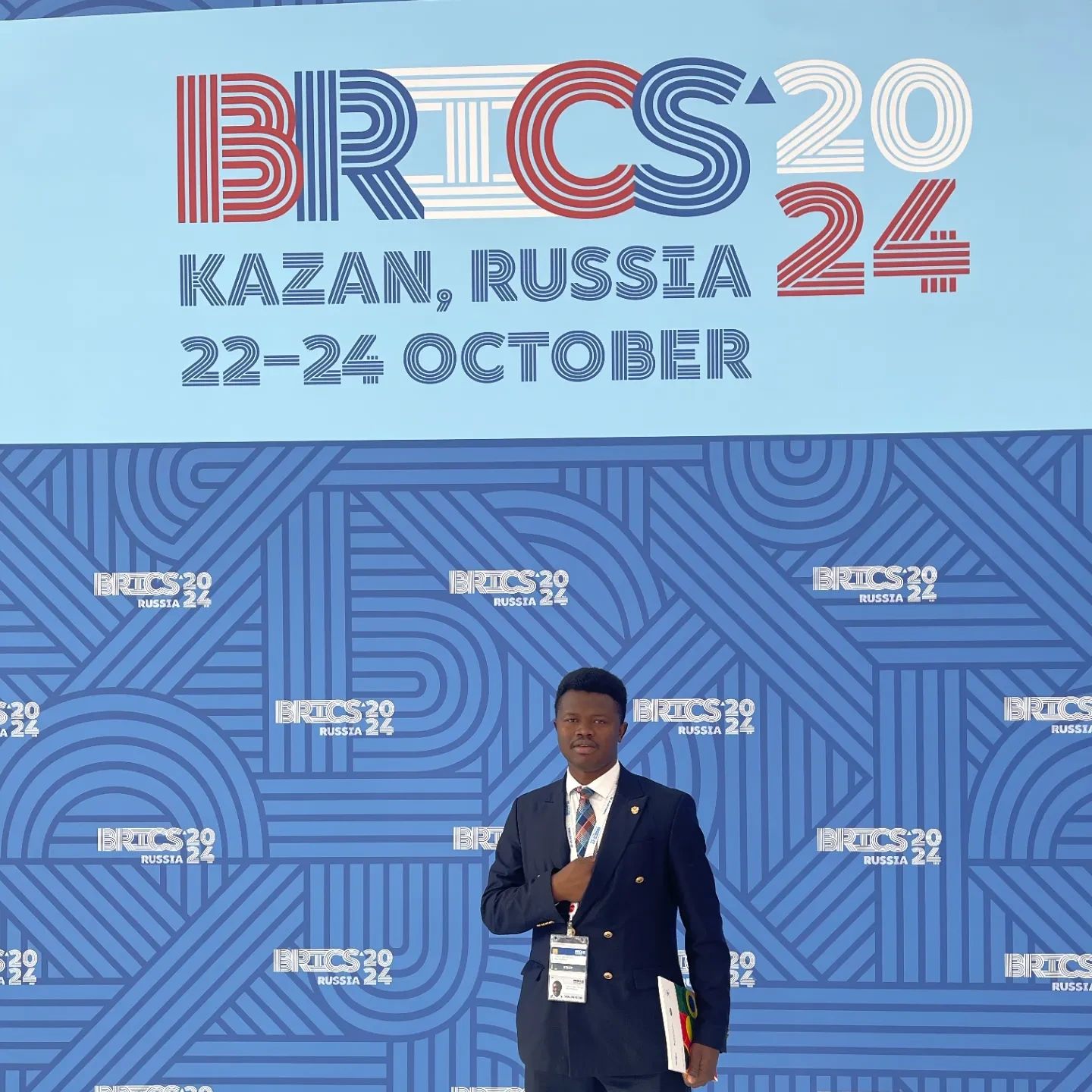
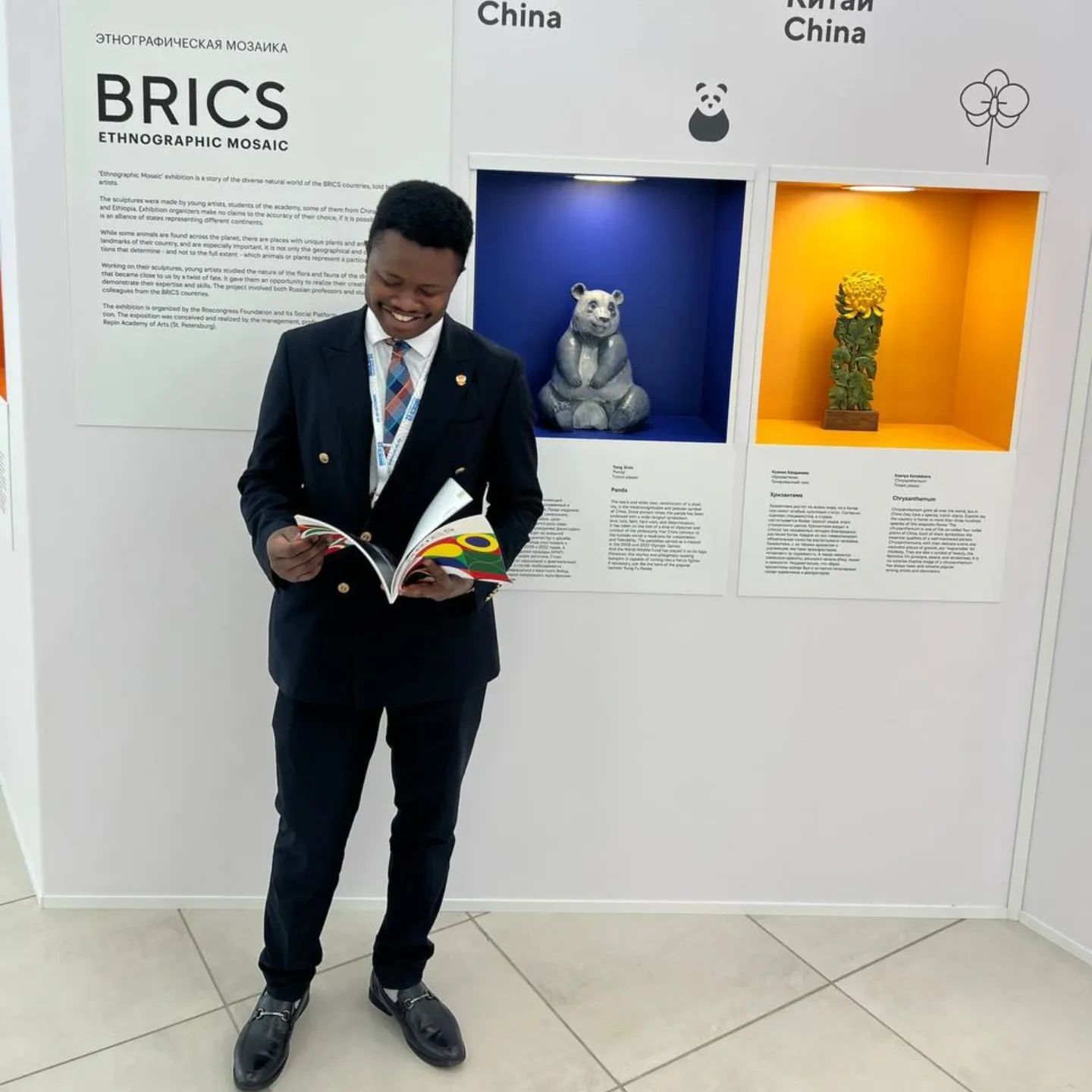
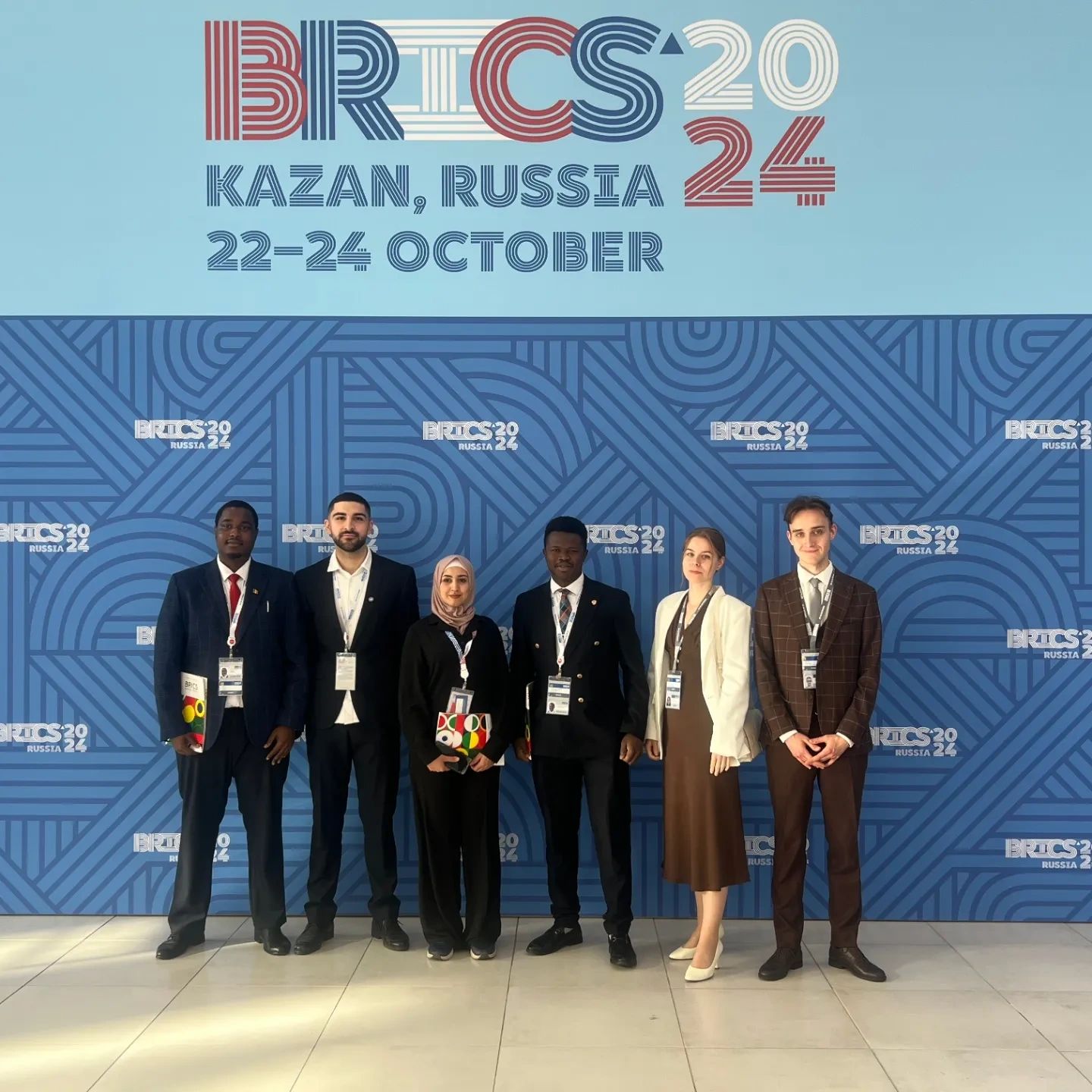
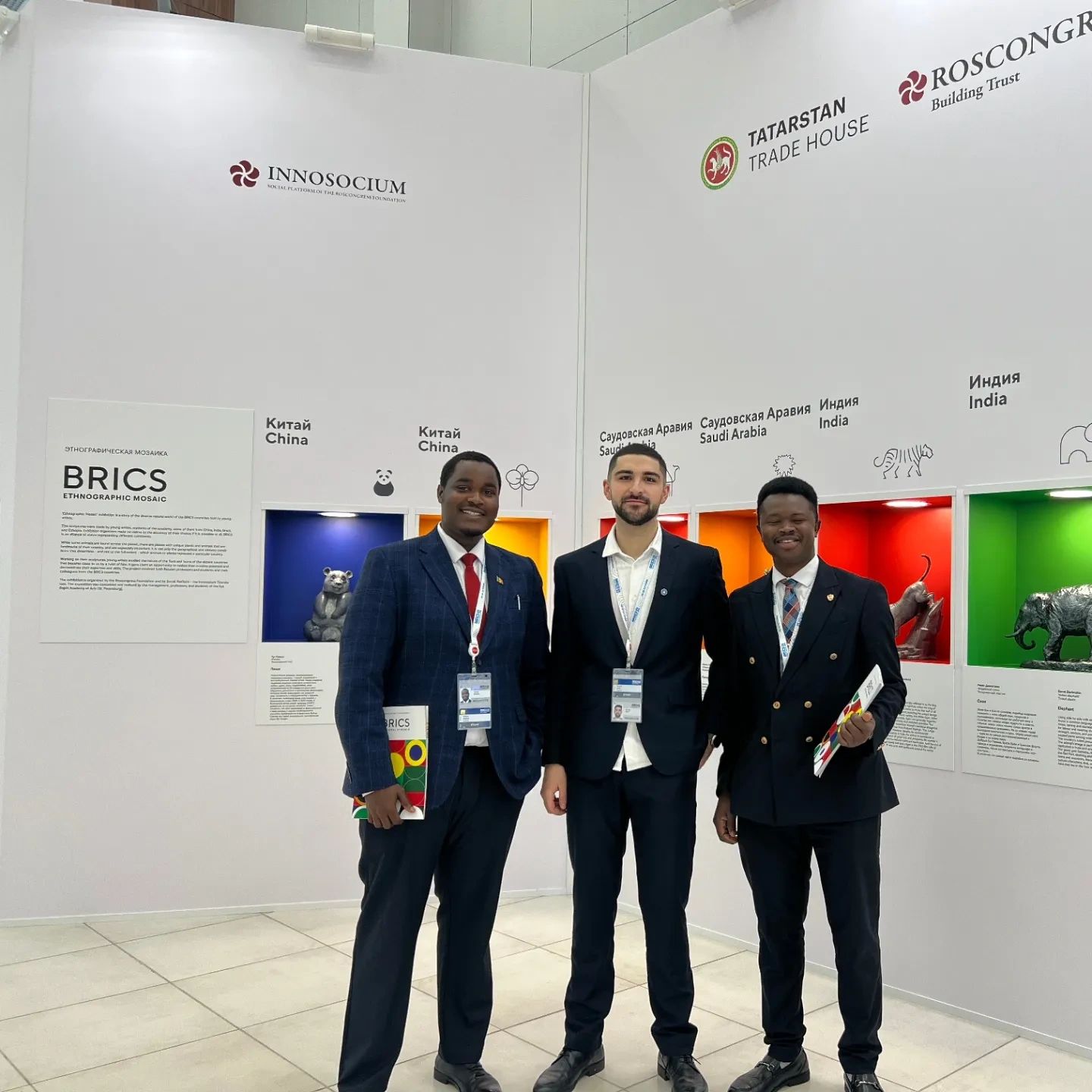
From October 22 to 24, we participated in the BRICS summit, which brought together several heads of state from different continents. This historic gathering in 2024 represented a pivotal moment in the evolution of international relations and global governance. The summit convened leaders from diverse regions, creating a unique platform for dialogue, cooperation, and the exchange of perspectives on the most pressing challenges facing our world today.
The atmosphere throughout the three-day event was marked by a spirit of collaboration and mutual respect among participating nations. The presence of heads of state from Asia, Africa, Latin America, and Europe demonstrated the truly global reach and appeal of the BRICS initiative. Each session provided valuable insights into the priorities, challenges, and aspirations of different nations, while highlighting the common ground that unites countries committed to reforming the international order to make it more equitable and representative.
We had the opportunity to witness the birth of a multipolar world. This transformative moment goes beyond mere diplomatic rhetoric; it represents a fundamental shift in how international relations are structured and conducted. The multipolar world emerging before our eyes is one where power, influence, and decision-making are distributed more evenly across different regions and nations, rather than being concentrated in the hands of a few traditional powers. This new configuration offers tremendous opportunities for countries that have historically been marginalized in global governance to assert their voices and contribute meaningfully to shaping the future of international cooperation.
During the summit, discussions covered a wide range of critical issues including economic development, trade facilitation, infrastructure investment, technological innovation, climate change, energy security, and financial system reform. What struck me most profoundly was the consistent emphasis on principles of equality, mutual benefit, and respect for sovereignty that permeated all deliberations. These principles stand in stark contrast to the often paternalistic or conditional approaches that have characterized some traditional international relationships.
The economic dimension of BRICS cooperation received particular attention during the summit. Leaders explored mechanisms to enhance trade among member states, reduce dependence on dominant currencies, develop alternative payment systems, and mobilize resources for development projects in emerging economies. The discussions on the New Development Bank and its role in financing infrastructure and sustainable development projects in member and partner countries were especially enlightening, demonstrating the concrete benefits that BRICS membership can provide to participating nations.
BRICS is an inclusive institution, ready to open its doors to everyone. This characteristic distinguishes BRICS from many other international organizations and makes it particularly attractive to nations seeking genuine partnership rather than hierarchical relationships. The expansion process discussed at the summit reflects a thoughtful approach to growth—one that maintains the organization's core values while welcoming new members who share its vision of a more balanced and just international order.
The inclusivity of BRICS is not merely about expanding membership numbers; it is fundamentally about creating space for diverse voices, perspectives, and development models in global governance. Throughout the summit, I observed how smaller and medium-sized economies were given platforms equal to those of larger powers, how South-South cooperation was celebrated as a model for sustainable development, and how the unique challenges faced by African nations were acknowledged and addressed with seriousness and solidarity.
I hope to one day bring my country, Chad, into BRICS. This aspiration is born not from opportunism, but from a deep conviction that BRICS membership would align perfectly with Chad's development objectives and its vision for meaningful international engagement. Chad, like many African nations, seeks partnerships that respect its sovereignty, support its development priorities, and offer genuine opportunities for economic transformation and social progress.
The potential benefits of BRICS membership for Chad are multifaceted. Economically, it would provide access to new markets, investment opportunities, and development financing that could accelerate infrastructure development, agricultural modernization, and industrialization. The BRICS emphasis on technology transfer and capacity building could help Chad leapfrog certain development stages and build competitive advantages in strategic sectors.
Diplomatically, BRICS membership would amplify Chad's voice on the international stage and provide a platform for advancing Africa's collective interests in global governance reform. It would strengthen Chad's ability to forge strategic partnerships with major emerging economies and participate more actively in shaping the rules and norms that govern international economic relations.
Furthermore, BRICS membership would connect Chad to a network of countries that have successfully navigated complex development challenges and could offer valuable lessons and support. The organization's focus on South-South cooperation creates opportunities for knowledge exchange, technical assistance, and collaborative problem-solving that are often more relevant and appropriate to Chad's context than traditional North-South development aid models.
My participation in this summit has reinforced my commitment to working toward this goal. I recognize that achieving BRICS membership for Chad will require sustained diplomatic effort, demonstration of alignment with BRICS principles and objectives, and concrete steps to strengthen Chad's economic foundations and institutional capacities. It will also require building consensus domestically about the strategic value of BRICS membership and garnering regional support from other African nations.
In my professional capacity facilitating international relations and partnerships, I am well-positioned to contribute to this objective. My experience in coordinating meetings with high-level officials, my understanding of the diplomatic protocols and processes involved in international organization membership, and my multilingual capabilities all equip me to serve as an effective advocate for Chad's BRICS aspirations.
The summit also provided valuable networking opportunities that I intend to leverage in pursuit of this goal. The connections established with officials from current BRICS member states, the insights gained into the organization's decision-making processes, and the relationships built with representatives from other aspiring member countries all constitute valuable assets for advancing Chad's candidacy when the appropriate moment arrives.
Looking forward, I am committed to raising awareness within Chad about the opportunities that BRICS membership could provide and building support among key stakeholders including government officials, business leaders, civil society organizations, and the general public for this strategic orientation. I will also work to strengthen Chad's bilateral relationships with current BRICS members, demonstrating the value that Chad could bring to the organization and building the political support necessary for a successful membership application.
The October 2024 BRICS summit was more than just an international conference; it was a glimpse into the future of global governance and international cooperation. It demonstrated that alternatives to the traditional Western-dominated international order are not only possible but are actively being constructed by nations committed to a more equitable and inclusive approach to global affairs.
As I reflect on this transformative experience, I am filled with optimism about the possibilities that lie ahead both for the continued evolution and expansion of BRICS as an institution, and for Chad's potential future role within this dynamic and forward-looking organization. The multipolar world being born promises greater opportunities for all nations to participate meaningfully in shaping our collective future, and I am determined to ensure that Chad is positioned to seize these opportunities when they arise.
This summit has strengthened my resolve to work tirelessly toward the day when Chad takes its rightful place among BRICS nations, contributing its unique perspectives and benefiting from the solidarity, cooperation, and shared prosperity that this inclusive institution offers to all its members.
BRICS Summit 2024: Witnessing the Dawn of a Multipolar World Order
October 22, 2024

Gallery & Media